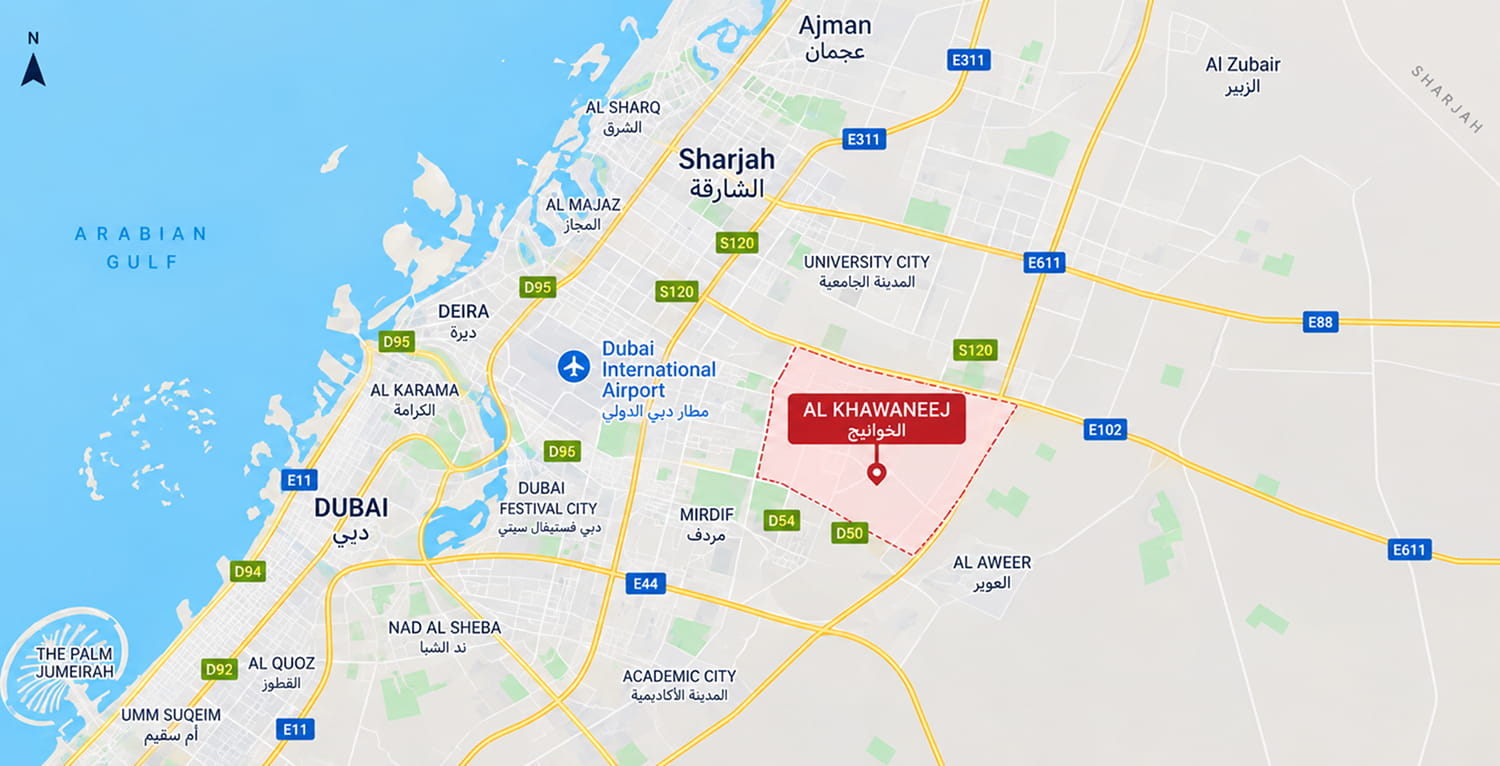
Few parts of Dubai still farm, and Al Khawaneej is one of them. It sits behind more culturally mixed districts such as International City, Al Warqaa and Mirdif. The land is mostly desert, starting on the western side of Emirates Road (E611) and following the line of the Sharjah-Dubai border. Emirati nationals make up a large share of residents, so this is the city at its most traditionally Emirati. To the east lies Al Awir, another agricultural centre, where one of the farms belongs to the royal Maktoum family.
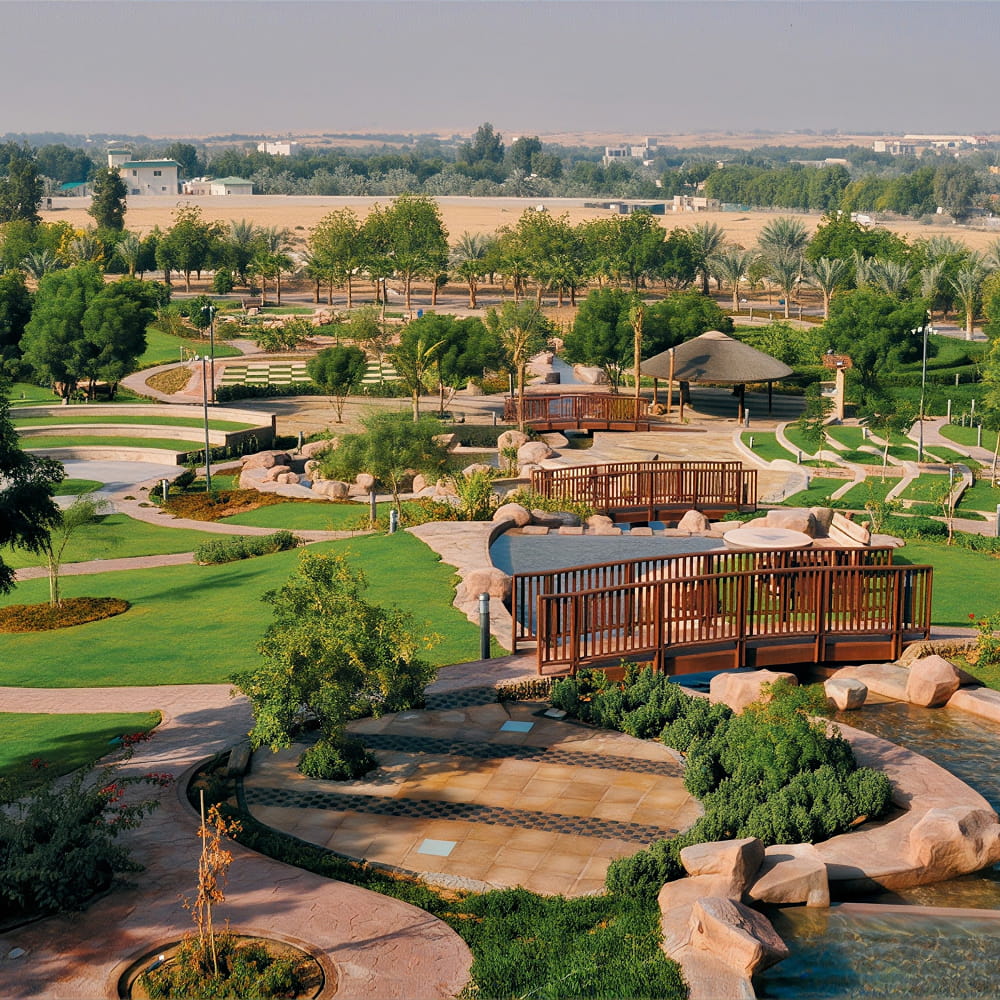
There are two districts: Al Khawaneej 1 and Al Khawaneej 2. Between them they hold many private farms and agricultural plots, kept by wealthy families whose farming businesses go back generations. In Al Khawaneej 1 you will find The Yard, a lakefront leisure destination of 350,000 sq ft from Meraas, the company that built City Walk and La Mer. The feel is rustic. There is a lake, walking trails, a bakery, an 18-metre windmill and an organic farmer's market, plus the Last Exit food truck park and the romantic Promise Bridge.
Al Khawaneej 2 is different. Most of it is given over to farms, nurseries and stables where camels and horses are bred, including operations belonging to the National Agricultural Development Company and Al Rawabi Dairy Company. At Organic Oasis, a certified organic farm, visitors can pick fruit and vegetables themselves. Crops such as broccoli, carrots and aubergine grow well in the desert sand.
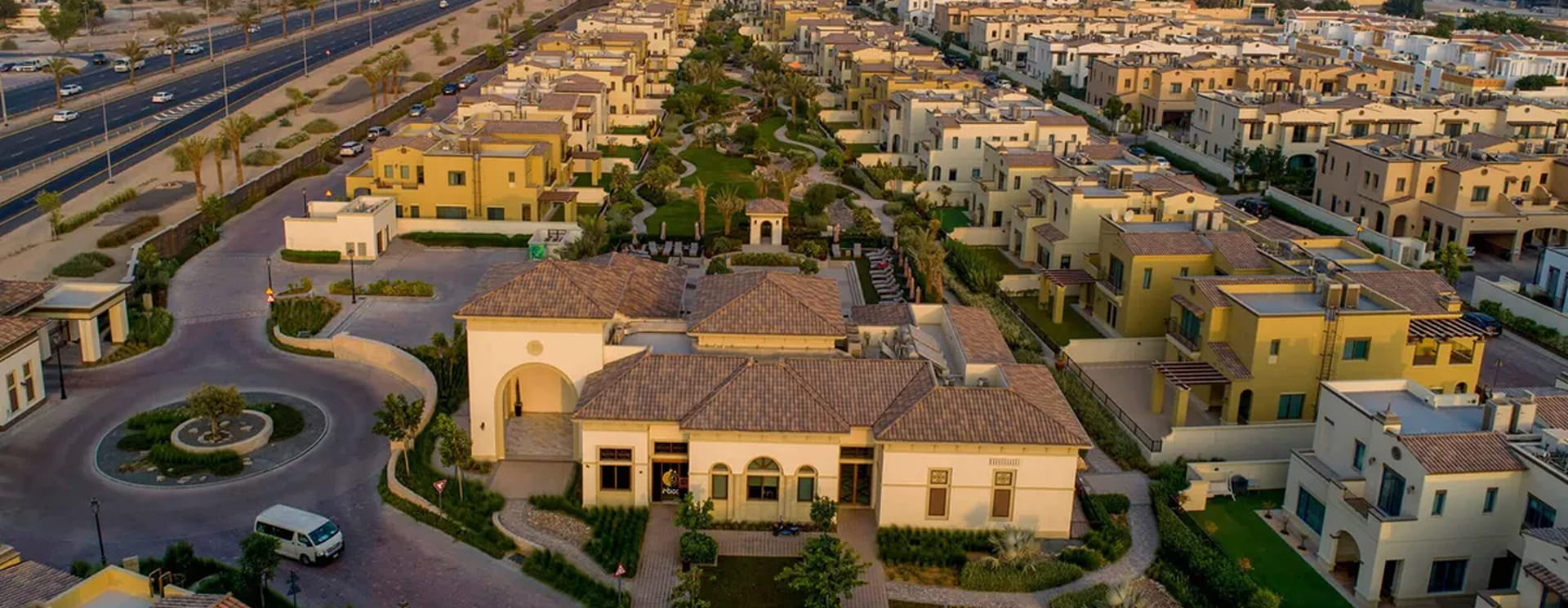
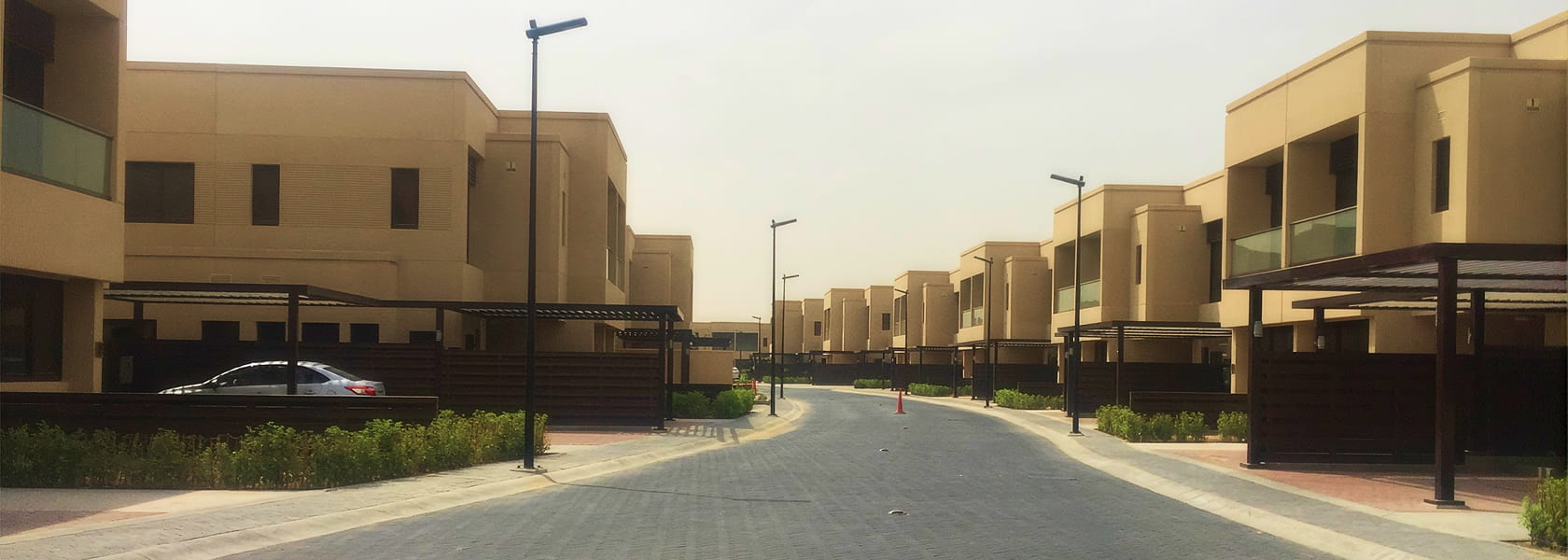
Villas here lean on traditional Arab design, not the international styles common across the rest of Dubai. Expect large courtyards, boundary walls, shaded paths and big ornate gates. Homes are two storeys and measure between 4,000 and 15,000 sq ft. Each has a separate majlis for receiving guests, in line with the Emirati custom of segregated social spaces. Swimming pools, fountains and carefully kept gardens are standard.